Image:
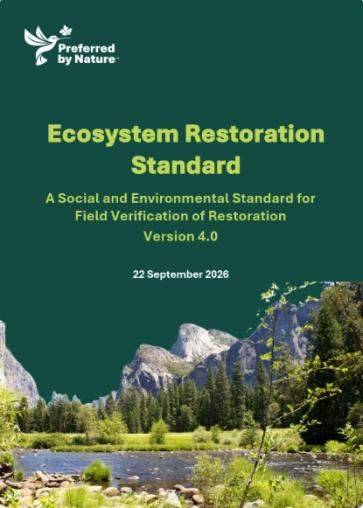
Consultation on Preferred by Nature Ecosystem Restoration Standard

6 October 2026
A Social and Environmental Standard for Field Verification of Restoration includes also a Biodiversity Module

Biomaterials from forest, land and seas are a crucial component of the bioeconomy. It refers to the production and consumption of biomass-based goods, services, and energy. New materials and novel circular material processes hold promise of improved sustainability.
Forest-based biomaterials encompass sectors such as forestry, pulp and paper production, woodworking, and wooden buildings. It also covers parts of the chemical, biotechnological, and energy industries, as well as bio-based products for textiles, food and pharmaceuticals. The versatile raw material wood is simultaneously renewable, recyclable, reusable, and refinable resource, offering a simple way to reduce carbon dioxide emissions. Forests act as carbon sinks, while wood products provide opportunities for carbon storage and substitutes for carbon-intensive materials. Nevertheless, biodiversity remains a challenge, as forest-based industry and biomaterials production require significant natural resources.
In CircHive project tools and approaches are tested for biodiversity footprinting of wood-based products and other biobased materials and for natural capital accounting.

Review our Biodiversity Footprinting Guidance to measure your organisation's impact on nature.